Book Coloring Page: Design Original Covers and a Quiet Reading-Lamp Scene
The original reading scene has an open book, stacked volumes and a lamp. Use it to compare patterned covers with quieter page areas. Add your own small title or cover mark if desired, without copying an existing book cover or character.
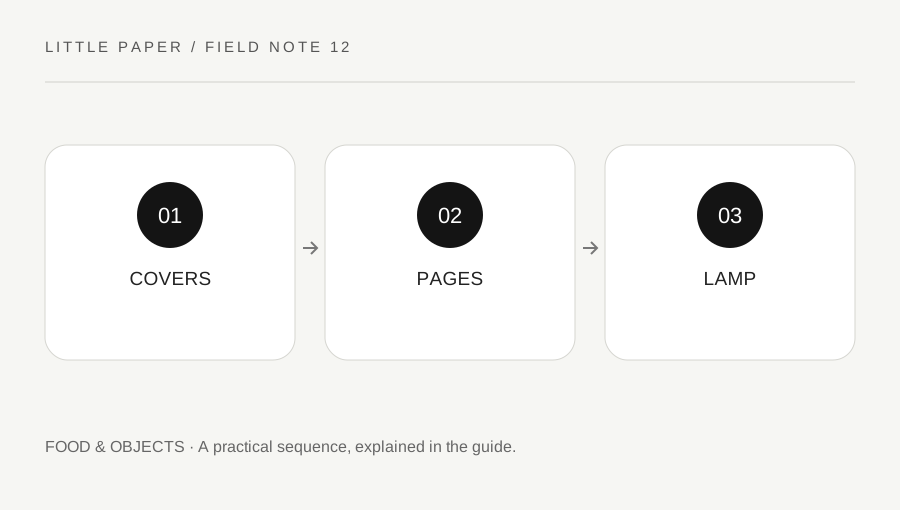
Original explanatory diagram. Examples illustrate a method or decision; they are not claims of personal testing.
Check the complete page in preview
Open the linked SVG and confirm that the lamp, books and base line fit within the border. Choose an appropriate fit-to-page setting for your paper. Avoid cropping the top of the lamp to enlarge the open book.
Print a draft and test suitable materials on comparable scrap paper. Follow supply labels and choose appropriate supervision where needed. The narrow printed page lines can remain simple if the available tool is broad; filling every strip is optional.
Choose cover and page roles
Pick a small cover palette and decide how light or quiet the page areas will stay. White paper can represent pages without needing a heavy fill. The stacked edges already contain repeated lines that give the scene structure.
Use the lamp as another colour area rather than assuming it must be realistic metal. An invented bright shade or a simple flat treatment can work. Keep the actual colour swatches visible so you can compare the tools rather than their printed names.
Design one original cover detail
Add a small invented mark, stripe or title on a broad cover area if you want. Keep it simple enough to remain readable at the printed size. A few original letters can be more manageable than trying to recreate a detailed published jacket.
Do not copy an existing cover illustration or protected character and present it as part of this original printable. You can invent a book about stars, gardens or another theme using your own design. The title choice is optional and not a literacy test.
Balance pattern and quiet space
Try a patterned cover beside simpler page edges. Repeat one colour in the lamp if you want the objects to feel connected. Keep some areas less detailed so the main shapes remain readable.
For a worked comparison, pattern only one stacked volume and keep the others flat. On another copy, repeat a small stripe across all covers. Describe which version feels more unified to you. The exercise does not require a single correct answer or a finished page in one sitting.
Review the scene as a whole
Look at the sheet from a normal distance and identify the cover detail and lamp relationship you chose. If the fine page lines feel crowded, stop adding marks rather than darkening them repeatedly. White space can remain deliberate.
Let materials dry as directed before storing or displaying. Keep a short note of the tool and pattern if useful. This original line art and activity focus on composition and personal choices, with no copied book artwork or claim that colouring guarantees reading progress or a medical benefit.
Sketch a tiny original cover design on scrap paper using a title you invent and one simple symbol. Try a quiet version and a more patterned version, then choose which fits the broad cover area in the printed scene. Keep the lettering optional; a stripe or shape alone can be enough.
Compare the cover colours with one lamp swatch before filling the whole picture. Repeating a small accent can connect the objects, while leaving the pages light keeps another visual role distinct. Avoid copying an existing published jacket or character illustration. Review the scene at a normal distance to see whether the cover detail remains readable rather than crowded. Let the final explanation describe the actual pattern and colour choice, without treating the number of letters written or areas filled as a measure of reading skill.
Your original printable
Download the original SVG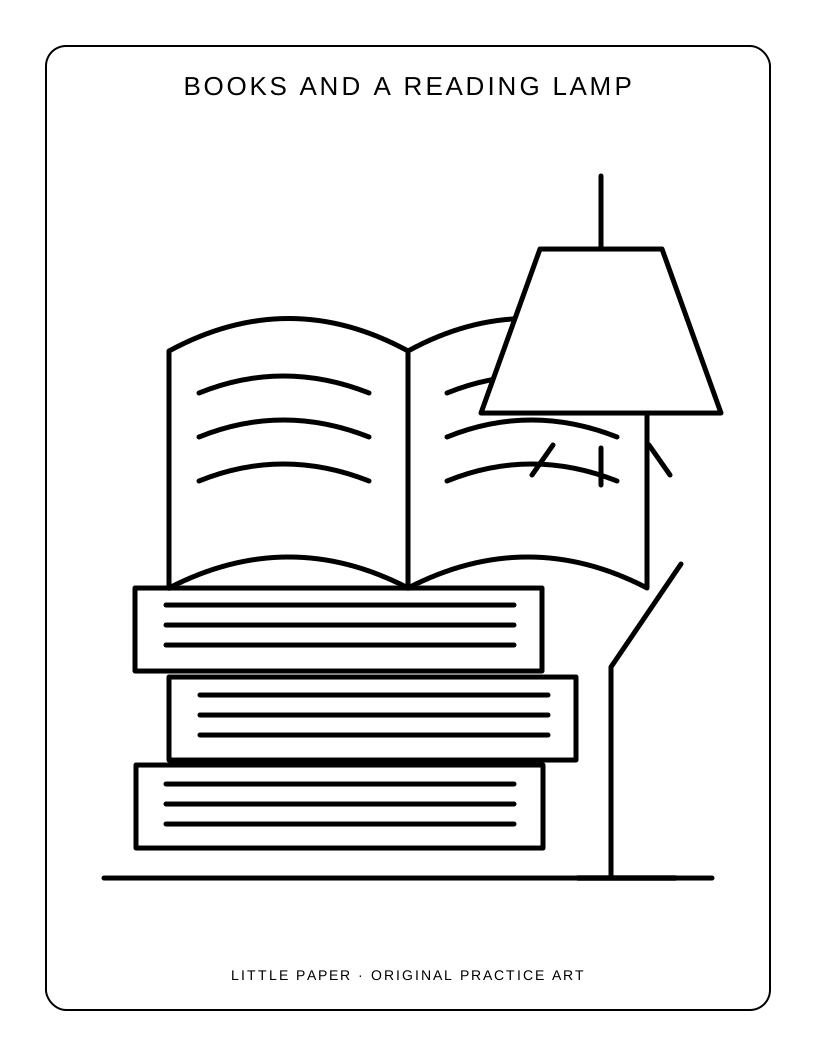
A practical checklist
Choices are saved in this browser. Reset them here or clear this site’s browser storage.
Questions that come up
Must I colour between every page line?
No. The printed lines already describe the pages. A simple light treatment or white paper can be intentional.
Can I copy a favourite published cover?
Create your own small cover detail instead of presenting copied artwork as part of this original sheet.
Does the activity test reading ability?
No. Adding a title is optional. The main task is an open creative comparison of pattern, colour and quiet space.
References & scope
Background references checked on 18 October 2026. Worked examples and diagrams are original teaching material.