Flowers and gardens Coloring Pages
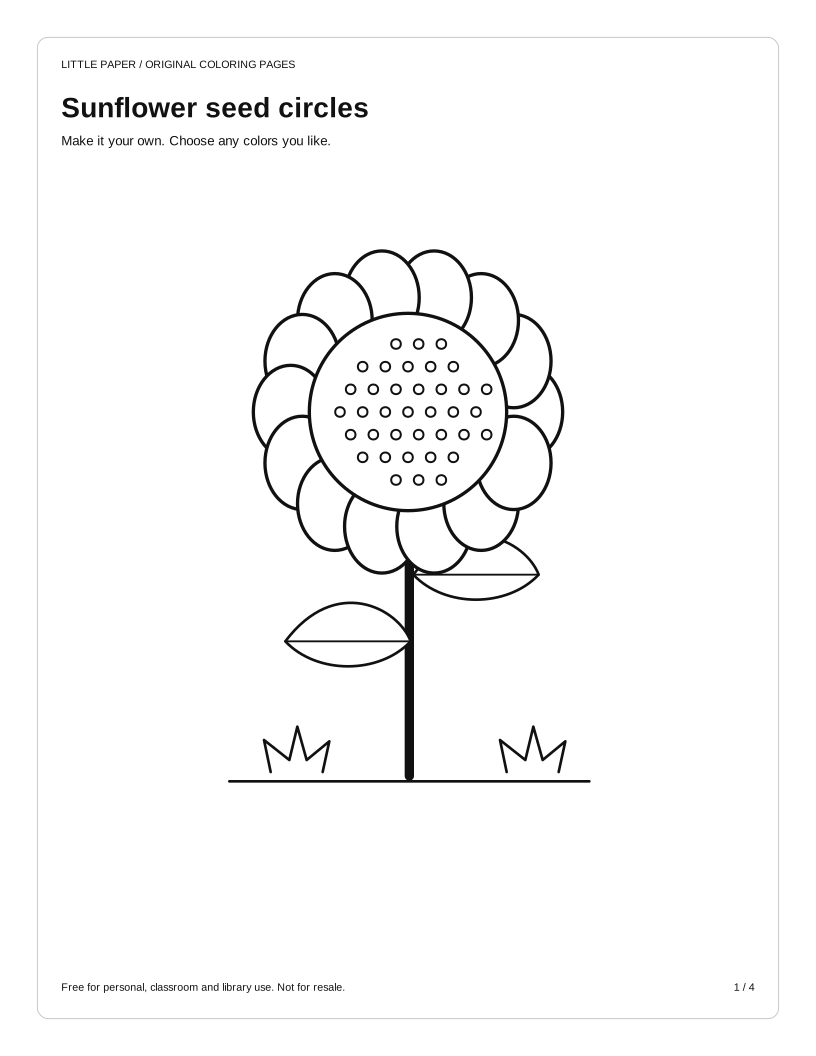
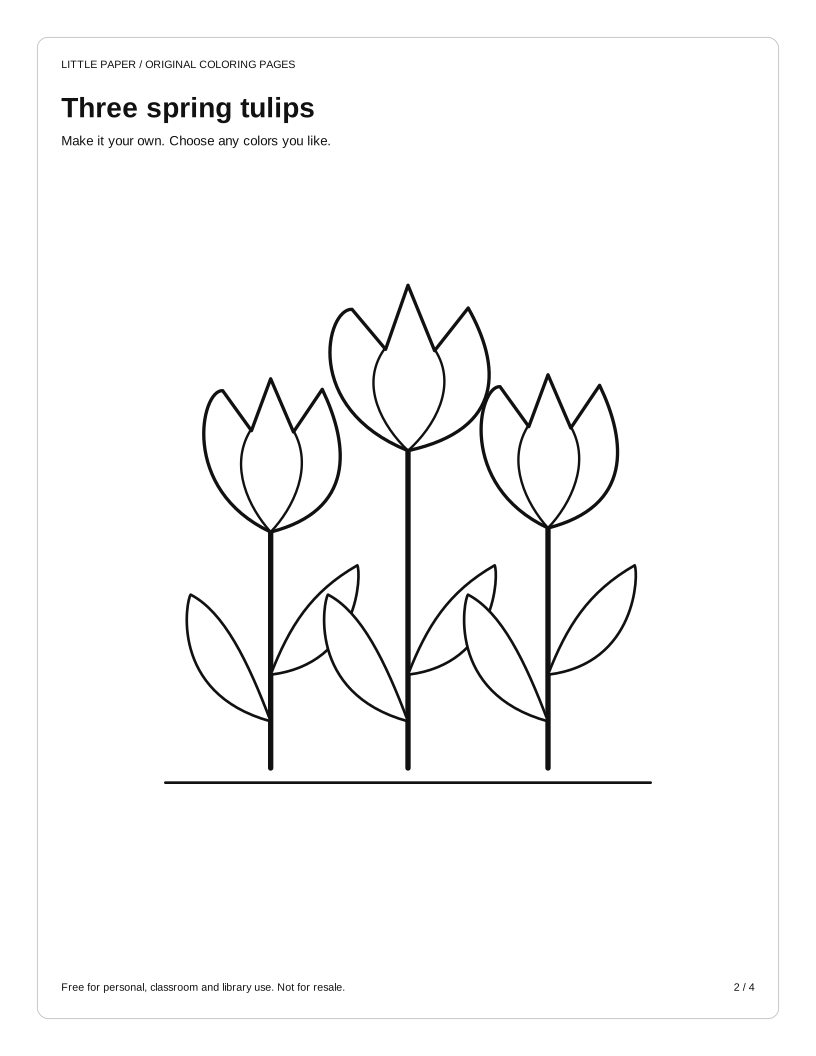
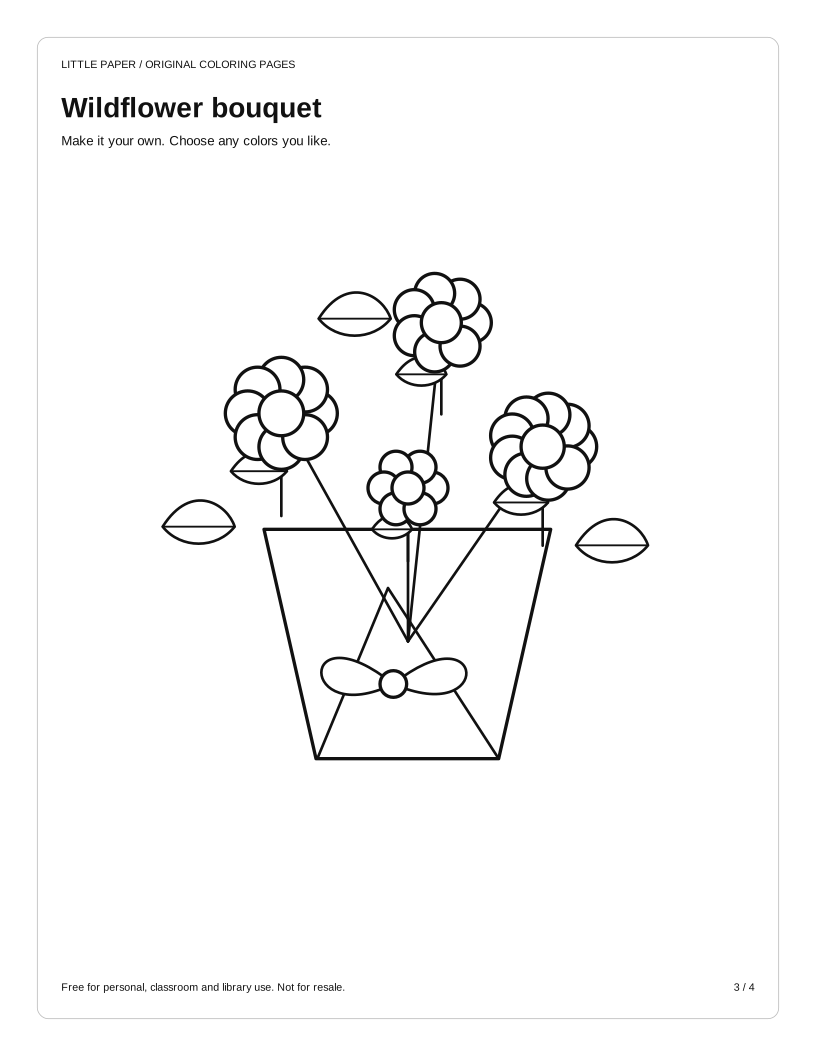
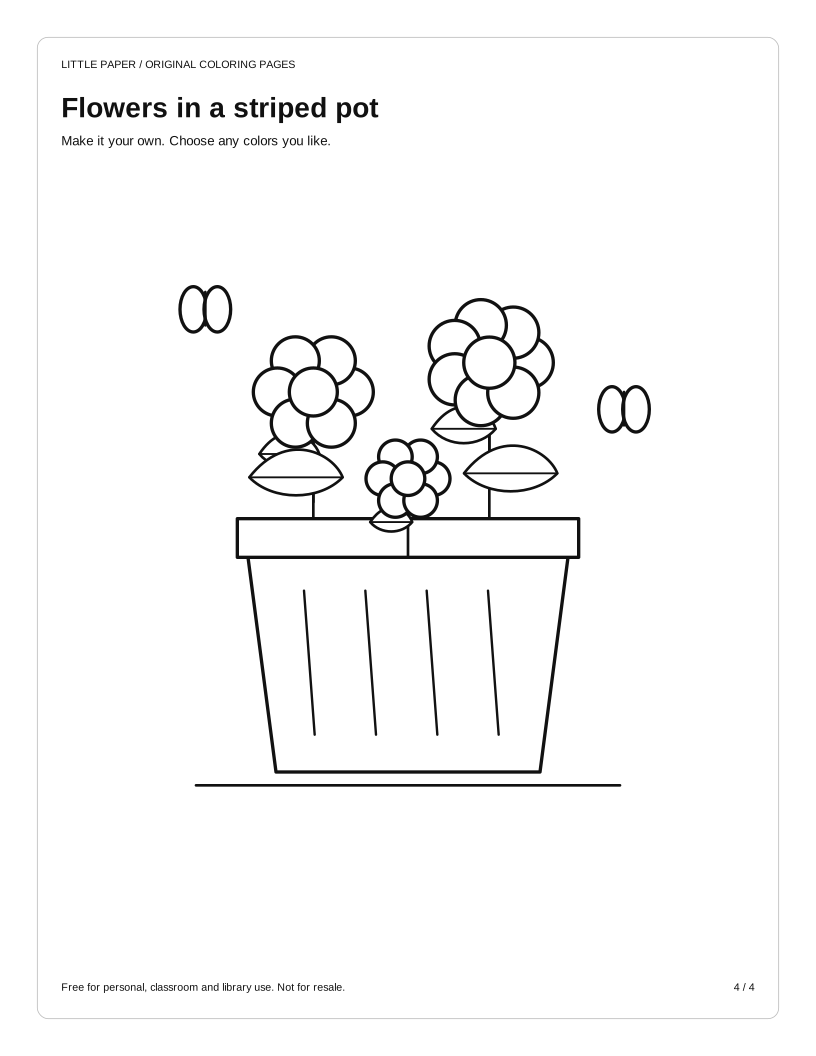
This pack offers four different floral compositions rather than four copies of one bloom. The sunflower has a patterned center; the tulips have long leaves; the bouquet gathers several flowers above a bow; and the final page places flowers in a striped pot. Use familiar garden colors or explore a limited palette. The illustrations are decorative, so you do not need to match a botanical reference.

Photo: Skyler Ewing · Photo license. Creative workspace reference; the four downloadable designs are listed below.
What you need
- US Letter paper; A4 using Fit
- Printer and PDF viewer
- Colored pencils or crayons
Download this four-page pack
Download PDF · US Letter ↓Download SVG source ZIP ↓Print the Letter PDF at actual size on US Letter. On A4, choose “Fit to printable area” and check the preview. Each download is a real four-page collection.
Original LITTLE PAPER vector artwork; free personal, classroom and library use; not for resale or asset-pack redistribution.
Step by step
- Open the four-page PDF and select pages. It contains finished artwork, not fillable fields.
- On US Letter, use portrait orientation and Actual size/100%. Check the border, title, and footer; choose Fit if printer margins would clip anything.
- On A4, choose Fit. The PDF is US Letter, 8.5 by 11 inches, not a separate A4 layout.
- Print one physical test before making copies. Grayscale suits the outlines; check margins and lines. Ink use varies.
Page 1: Sunflower seed circles
The sunflower has a large ring of rounded petals around a circular center filled with small outlined seed-like circles. Its long stem and leaves make a simple vertical composition. Choose a petal color first, then use one or two contrasting shades in the center. Leave some of the tiny circles white if you want the pattern to remain light. A second version could use a monochrome palette with stronger pressure near the petal bases.
Page 2: Three spring tulips
Three tulips rise to different heights, with pointed petal shapes and long leaves along their stems. Give all three flowers the same color for a coordinated planting, or choose a separate color for each. You can use two greens in the leaves to distinguish overlapping shapes. The open background also works well left white; filling every part of the page is not necessary for a complete picture.
Page 3: Wildflower bouquet
The wildflower bouquet combines several rounded flower heads, thin stems, small leaves, a geometric vase-like outline, and a bow near the stems. Pick one flower as the strongest accent and use quieter colors for the others. Another approach is to repeat the same three colors around the whole arrangement. Color the bow last so you can decide whether it should blend with the flowers or stand out as a separate focal point.
Page 4: Flowers in a striped pot
The final page has a group of flowers above a broad pot with vertical stripe lines and small butterfly-like details nearby. Alternate two colors in the pot, then use a different palette for the petals. If you prefer a softer result, color every other stripe and leave the remaining spaces white. Match one pot stripe to a flower center to create a small visual connection between the container and the blooms.
Make a small palette study
Print the same flower page twice if you want to compare two color decisions. On one copy, keep petals warm and leaves cool; on the other, reverse the emphasis with an invented palette. Label the color choices on a separate note. This is an optional creative experiment, not a lesson with a required answer or a claim about real plant varieties.
Files and permitted use
The ZIP contains four SVG originals and READ-ME.txt. Free personal, classroom, and library use is allowed; no resale, asset-pack redistribution, or authorship claims. Share this page instead of rehosting downloads. These creative activities are not educational or therapeutic assessments.
The four pages in this pack
The PDF contains all four pages. Individual SVG source files are also available below.
- Sunflower seed circles · Download individual SVG ↓
- Three spring tulips · Download individual SVG ↓
- Wildflower bouquet · Download individual SVG ↓
- Flowers in a striped pot · Download individual SVG ↓
Your quick checklist
- Four US Letter pages.
- A4: choose Fit.
- Check one physical test print.
- Keep the use notes.
Common questions
Are these botanical identification drawings?
No. The shapes are decorative illustrations, not identification diagrams.
Can I use only one color?
Yes. Varying pencil pressure or leaving selected areas white can create interest with one pencil.
Do I need the SVG ZIP to print?
No. Use the PDF; the ZIP provides individual vector originals and use notes.