Breakfast Coloring Page: Leave Some White and Choose a Warm or Cool Plate
This original breakfast scene includes toast, an egg, a cup and small fruit shapes. It offers a simple exercise in leaving white paper and contrasting broad colour families. The drawing is creative material, not a recipe or a nutrition lesson.
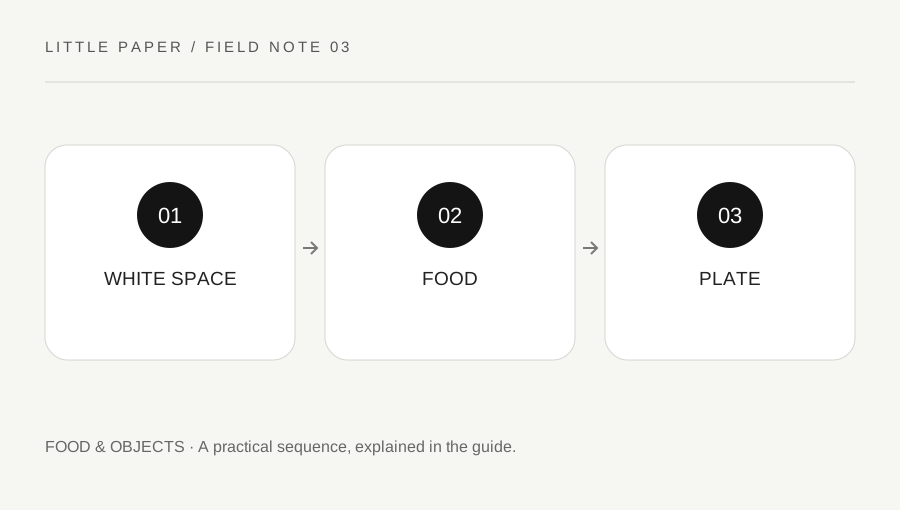
Original explanatory diagram. Examples illustrate a method or decision; they are not claims of personal testing.
Check the image before printing
Open the printable SVG and use print preview to confirm that the plate, cup handle and border fit on the selected paper. Use a suitable page-fit option rather than cropping the sides to make the drawing appear larger.
Print a draft and test the chosen colouring tools on comparable scrap paper. Follow the equipment and art-material instructions. An adult should choose supplies and supervision appropriate to any children taking part; the page itself does not determine a safe age for every material.
Decide where white paper stays visible
Choose an area such as the egg white or cup that can remain partly uncoloured. White paper is a palette choice, not an unfinished mistake. You can add a light edge or a small pattern if you want the shape to remain distinct.
Keep this decision before colouring every broad area heavily. It is easier to preserve paper white than to recover it with a tool that does not erase. If you prefer an entirely invented palette, that is also appropriate for the imaginative scene.
Build food colours in light layers
Try a gentle base layer on the toast and a second suitable colour near selected edges. The grid provides smaller areas where you can compare even colour and a light texture. Use the tool's permitted pressure and avoid rubbing the paper beyond what it can handle.
Keep the egg centre, fruit and toast visually separate through colour or marks. These shapes do not need exact photographic colours. A simple two- or three-colour food palette can leave more attention for the plate and cup.
Choose the plate’s role
Use the broad plate as either a quiet background or the main colour area. A cool blue or a warm orange are possible editorial examples, not required classifications for every colour set. Compare actual swatches before deciding.
For a worked version, keep the food mostly light and use a stronger plate colour. On a second copy, leave the plate simple and make the cup patterned. Notice which object leads the scene. Keep the comparison focused on one change rather than replacing the whole palette at once.
Add a small table detail if useful
The open space can remain blank or receive a modest table pattern you invent. Keep it away from areas you want to stay clear, and test the mark before filling the whole background. More detail is optional.
Review one decision you enjoyed and let materials dry according to their instructions. Do not use the artwork to label real foods good or bad or infer anyone's diet. This original sheet supports a practical colour-and-shape activity, with printing and art-material references provided for the relevant background.
Use a scrap-paper plate shape to test a quiet background against a strong one. Keep the imagined food colours the same in both small trials so the plate is the main change. Then choose one version for the printed page. This reduces the need to correct a large filled area with a material that may not erase.
Plan one deliberate white area before starting, such as part of the egg or cup. Add a small edge mark only if it helps the shape remain visible. Keep the toast grid as a separate pattern choice rather than filling every square differently by default. At the end, describe how the plate, white area and grid relate. The explanation can be a short personal preference without turning the picture into a judgment about real food or someone else's meal.
Your original printable
Download the original SVG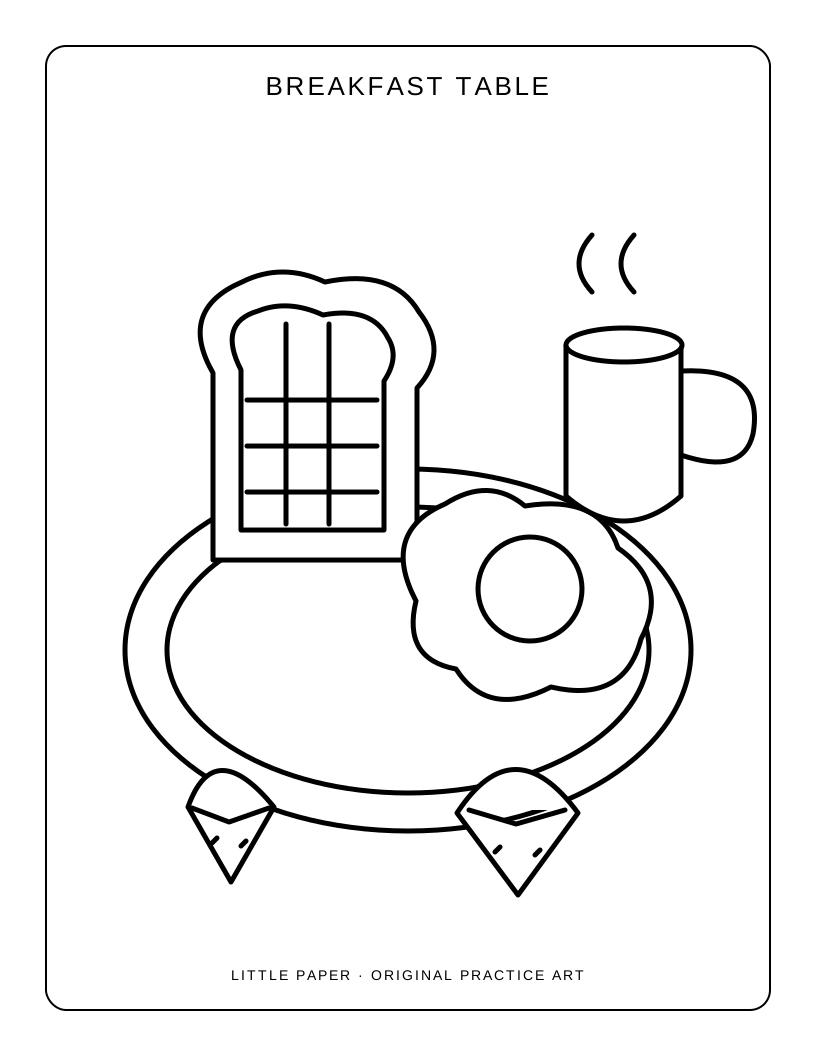
A practical checklist
Choices are saved in this browser. Reset them here or clear this site’s browser storage.
Questions that come up
Is white paper an unfinished area?
It can be deliberate. Decide where white supports the picture and leave it visible if you like.
Does the page teach a specific diet?
No. It is an imaginative still-life activity, not a recipe or nutrition prescription.
Must every food look realistic?
No. Natural and invented palettes are both suitable creative choices.
References & scope
Background references checked on 18 October 2026. Worked examples and diagrams are original teaching material.