Farm Cow Coloring Page: Compare Spots with a Quieter Meadow
This original cow-and-meadow sheet uses broad body shapes, a few spots and simple ground marks. Try giving the animal a clear pattern while keeping the surroundings quieter. Natural colours and invented colours are both suitable for this imaginative illustration.
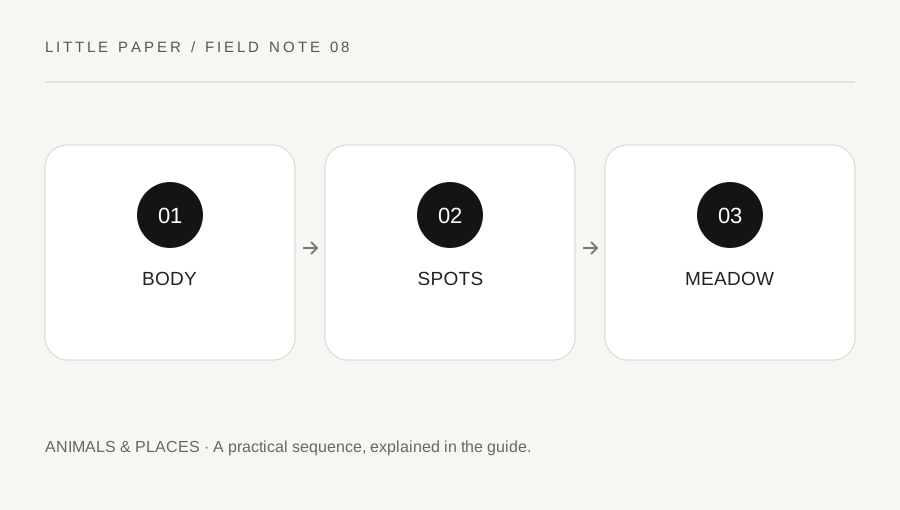
Original explanatory diagram. Examples illustrate a method or decision; they are not claims of personal testing.
Print the full meadow scene
Open the linked SVG and check the cow, tail, ground line and border in print preview. Choose a suitable fit option and preserve the drawing's proportions. Print one draft before preparing several activity copies.
Test the chosen paper and art tools together. Follow supply labels and appropriate supervision. Protect the table if the material can transfer through paper. The drawing is a simplified creative scene, not a factual guide to cattle anatomy or a guarantee about age suitability.
Choose the body and spot relationship
Pick one colour for the broad body and another treatment for the spots. Strong contrast makes the pattern easy to see, while close colours create a quieter version. Try swatches first so you can compare the actual tools rather than their names.
You can leave the body partly white or use an invented colour. Do not treat a realistic coat pattern as the only acceptable answer. The page gives a few outlined spots, and additional modest marks are optional.
Repeat marks without crowding
If you add spots, sketch them lightly with a suitable tool and keep enough open body area between them. Compare a larger mark with several small ones. There is no requirement to fill every gap.
Work around the face and leg lines so the animal's broad outline stays readable. A stroke crossing a boundary does not invalidate the activity. Decide whether to incorporate it or continue rather than repeatedly rubbing the paper to force a perfect edge.
Keep the meadow a separate layer
Use a simple ground colour or a few repeated grass marks to distinguish the setting. Avoid covering the animal's outline with dense background strokes. The surroundings can remain mostly white if the cow pattern is the main experiment.
For a worked comparison, make the spots bold and the meadow quiet on one copy. On another, keep the cow simple and give the meadow more colour variation. Notice where attention goes while the original drawing remains unchanged.
Tell a small original scene
Write one sentence about the imagined meadow if desired. You can name the cow or invent a weather detail without claiming the picture represents a real farm. Keep the story original rather than copying a character setting.
Review one repeated mark and one quiet area. Let materials dry according to their instructions before stacking. The printable offers a practical pattern-and-background activity, with no claim that it teaches farming practice or produces a measured therapeutic effect.
Draw a small practice rectangle on scrap paper and try three differently sized rounded spots inside it. Leave visible space around each. Compare that with several smaller marks before deciding whether the printed cow needs any extra pattern at all. The outlined spots already provide a complete starting option.
Choose a meadow treatment that differs from the animal's marks, such as a few simple directional strokes or a quiet flat area. Keep the ground line visible. If the cow uses bright invented colours, the meadow can remain neutral or white; every object does not need equal saturation. Review the picture from farther away and describe whether the animal and setting remain separate. This is an artistic preference, not a factual statement about coat genetics or how a real farm should appear.
Your original printable
Download the original SVG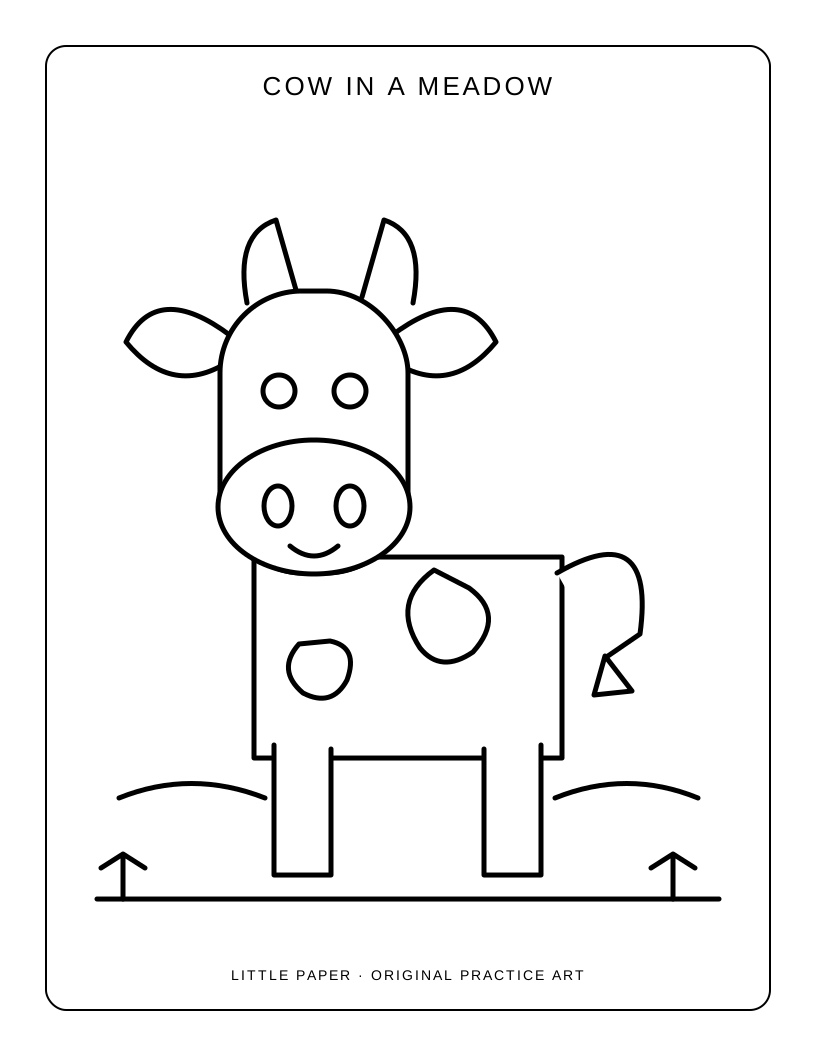
A practical checklist
Choices are saved in this browser. Reset them here or clear this site’s browser storage.
Questions that come up
Must the cow be black and white?
No. Realistic and invented colours are both appropriate creative choices.
Can I add more spots?
Yes, if you want. Keep them deliberate and leave enough open space for the broad body shape to remain readable.
Is the drawing a farming diagram?
No. It is an original simplified illustration for colouring and storytelling.
References & scope
Background references checked on 18 October 2026. Worked examples and diagrams are original teaching material.