Dog Coloring Page: Separate Fur, Collar and Ball with Different Marks
The original dog-and-ball page combines large pet shapes with a collar and a round toy. Try using different marks for each surface so the objects remain readable. Colour choices are open, and the activity does not require copying a real animal.
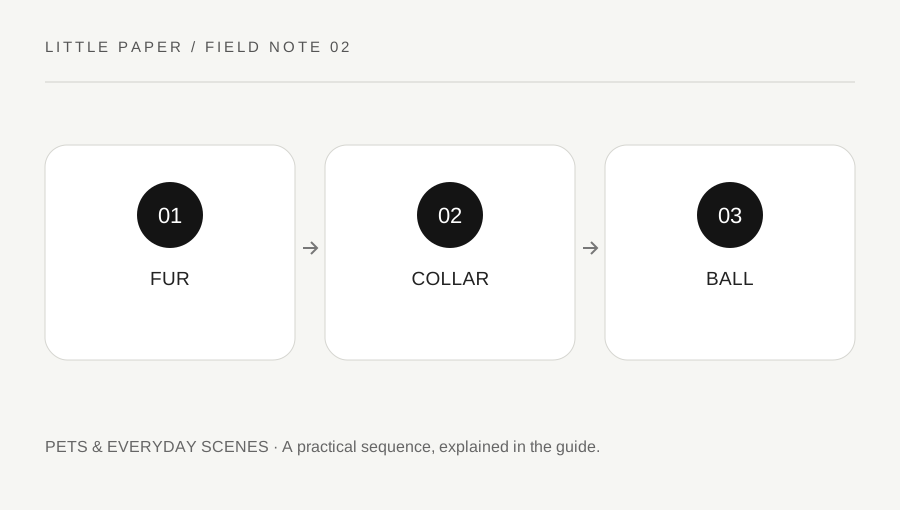
Original explanatory diagram. Examples illustrate a method or decision; they are not claims of personal testing.
Prepare a complete printed sheet
Open the linked SVG through the printable controls and inspect the page in print preview. Keep the border and bottom line inside the printable area. Choose a fit setting appropriate to your paper and avoid stretching the drawing into a different shape.
Use one trial copy and suitable materials before a group session. Read art-supply labels and choose appropriate supervision for participants. Protect the work surface as the materials require, particularly if using a tool that can transfer through the paper.
Map three surface ideas
Choose one treatment for fur, one for the collar and one for the ball. Fur might use short soft strokes, the collar a flat colour and the ball two alternating sections. These are drawing choices, not scientific claims about the materials pictured.
Test the marks on a small scrap. A tool that makes a broad line may suit the body but be awkward around the eyes. Select another appropriate tool or leave fine areas simple rather than forcing tiny detail with heavy pressure.
Work the broad dog shapes first
Begin with the body, ears or face in a light layer. Keep the nose, eyes and mouth outlines visible while the larger areas are established. Add a second layer only if the paper and tool support it.
Try a consistent stroke direction within one area, then change direction deliberately for another if you want contrast. Do not assume a realistic fur pattern is necessary. The large simplified shapes allow a single colour, several patches or an invented arrangement.
Use the ball as a colour repeat
The ball's curved divisions offer a small repeating pattern. Choose two colours and alternate them, or repeat one colour from the collar. Notice how a repeated colour can connect objects without making them identical.
For a worked comparison, keep the dog in one quiet colour family and make the ball bright. On another copy, make the dog more patterned and keep the ball simple. Explain which part attracts attention in each version rather than declaring one universally better.
Finish with a readable review
Look at the sheet from a normal viewing distance and ask whether the three surface treatments are visible. If two areas blend together, you can keep that quiet effect or add a suitable modest contrast. There is no obligation to outline everything again in heavy black.
Allow any wet materials to dry as directed before stacking or displaying. Record one useful mark or colour pairing if desired. The sheet is original artwork for a practical creative activity, with no copied character design or claim that colouring produces a measured medical benefit.
Make a small mark key on scrap paper: short strokes for fur, a flat swatch for the collar and alternating curved sections for the ball. Try each with the same suitable tool before using it in the drawing. A mark key can help a group discuss choices without asking everyone to use identical colours.
Work one broad dog area and one ball section first, then compare. The difference may come from direction or spacing rather than a different colour. Keep the collar simple while testing that relationship. If you later add a pattern, use an original repeated mark rather than a brand logo. Review whether the three treatments still read clearly after the page is viewed from farther away. The exercise can stop after one useful comparison; filling the entire sheet is optional.
Your original printable
Download the original SVG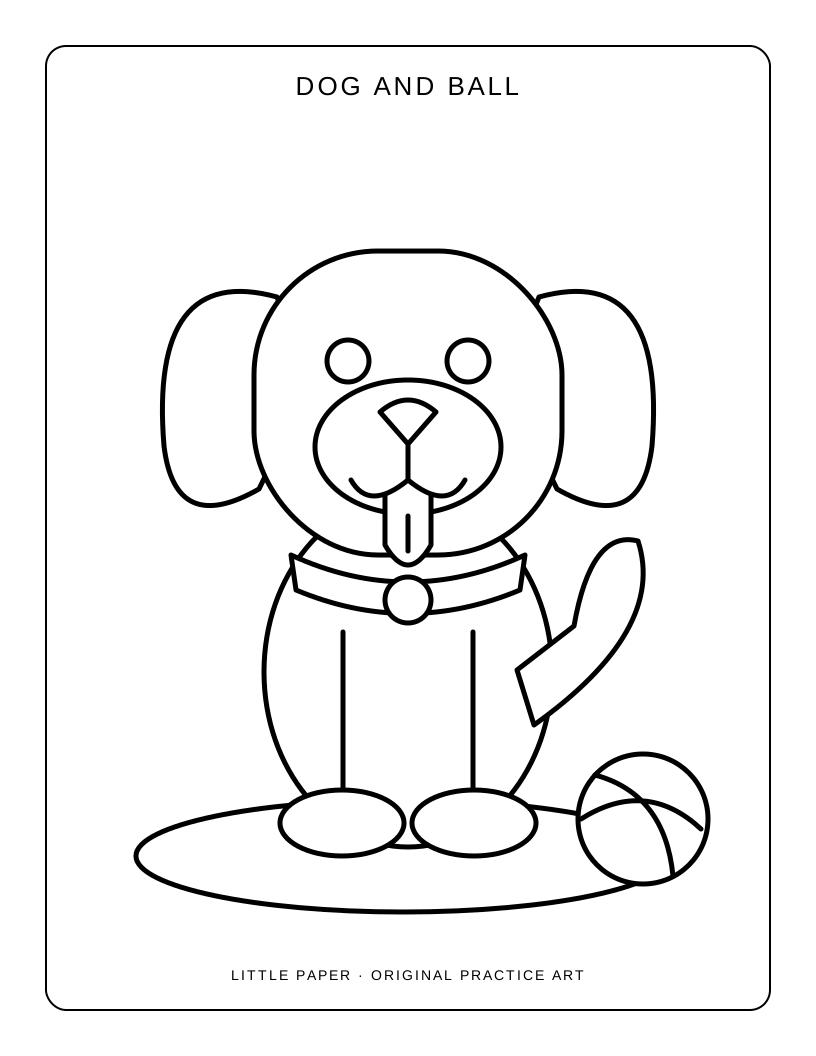
A practical checklist
Choices are saved in this browser. Reset them here or clear this site’s browser storage.
Questions that come up
Do I need several kinds of art supplies?
No. One suitable pencil or crayon set can make different marks. Use tools appropriate to the paper and participants.
Must the collar match the ball?
No. Repeating a colour is one optional design choice, not a rule.
Should I darken every outline?
Not necessarily. Review readability first and keep changes modest if the tools and paper allow them.
References & scope
Background references checked on 18 October 2026. Worked examples and diagrams are original teaching material.