Toy Coloring Page: Give Blocks, a Ball and a Soft Toy Different Textures
The original toy scene combines blocks, a ball, a soft-toy shape and a small toy box. Use different marks for broad surfaces while keeping the geometric outlines visible. The activity is imaginative, with no branded characters or product logos.
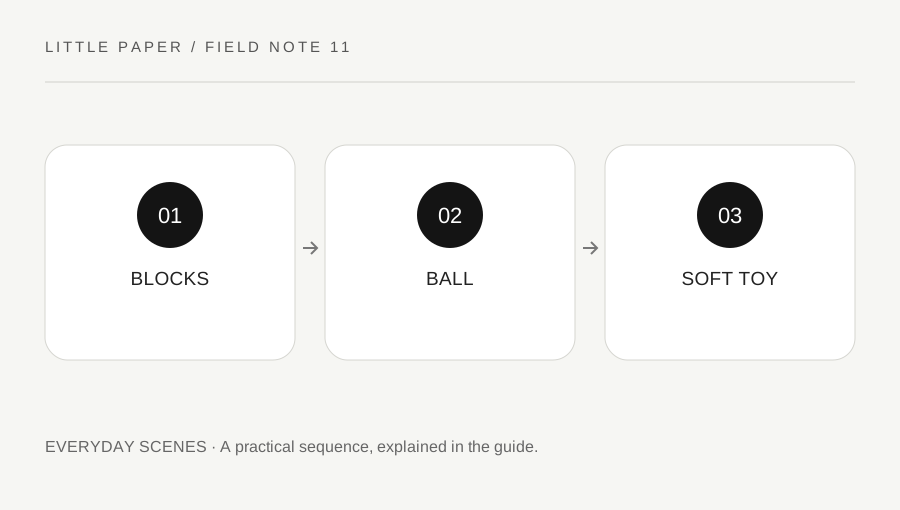
Original explanatory diagram. Examples illustrate a method or decision; they are not claims of personal testing.
Print the whole arrangement
Open the printable SVG and check the upper shapes, floor line and border in print preview. Select a suitable page-fit option and preserve the original proportions. A draft helps you see the smaller block symbols on the actual paper.
Use art materials appropriate to the participants and paper, following labels and supervision needs. Keep supplies separate from food and use them only as intended. The page depicts toys but does not certify that every colouring tool is a toy or safe for every age.
Assign a mark to each surface
Choose a flat treatment for blocks, curved strokes or alternating areas for the ball and short light marks for the soft toy. These are optional visual conventions rather than claims about real materials.
Test each mark on scrap paper. A single suitable pencil can make several textures by changing direction and spacing without excessive pressure. You do not need a large collection of supplies or a new colour for every shape.
Keep block symbols readable
Colour the broad block faces before deciding how to treat the circle, triangle and square symbols. You can repeat the same symbol colour or make each different. Keep the outlines visible so the symbols remain distinguishable.
Do not turn the activity into an unannounced test with one correct palette. If you want a separate naming game, state its simple rule clearly and allow participants to focus on colouring instead. The sheet's main task is choosing deliberate marks and colours.
Compare the ball and soft toy
Use the ball's curved divisions for a repeating colour choice. On the soft toy, try lighter short strokes or a flatter patch. Compare the effects from a normal viewing distance rather than only examining individual marks up close.
For a worked version, make the blocks simple and the soft toy more textured. On another copy, reverse where most detail appears. Describe the difference in emphasis. A crossing stroke can be incorporated into the design rather than treated as a failure.
Review and store the artwork
Identify one texture and one colour repeat you chose intentionally. Leave some spaces white if that supports the picture. Add original details only where you want them, without copying a branded toy face or logo.
Let materials dry according to their instructions and store pages without smearing. Keep the tool note if you want to repeat a texture. This original printable supports a practical creative activity and does not claim to diagnose development, measure ability or deliver a therapeutic result.
Prepare a mark key with a flat block swatch, a curved ball stripe and a short-stroke soft-toy sample. Compare them using one suitable tool before deciding whether additional supplies would be useful. The marks can remain clear without extra pressure or elaborate blending.
On the printable, choose one block symbol to repeat in colour elsewhere, or leave all symbols simple. Do not turn the choice into an unannounced right-or-wrong task. If you want an optional grouping game, state whether you are grouping by shape, colour or mark type and accept an explanation that follows that rule. Keep the creative activity separate from any claim about ability. At the end, name one texture that worked and one area that stayed quiet. A short explanation can preserve the useful idea even if the page remains partly uncoloured.
Your original printable
Download the original SVG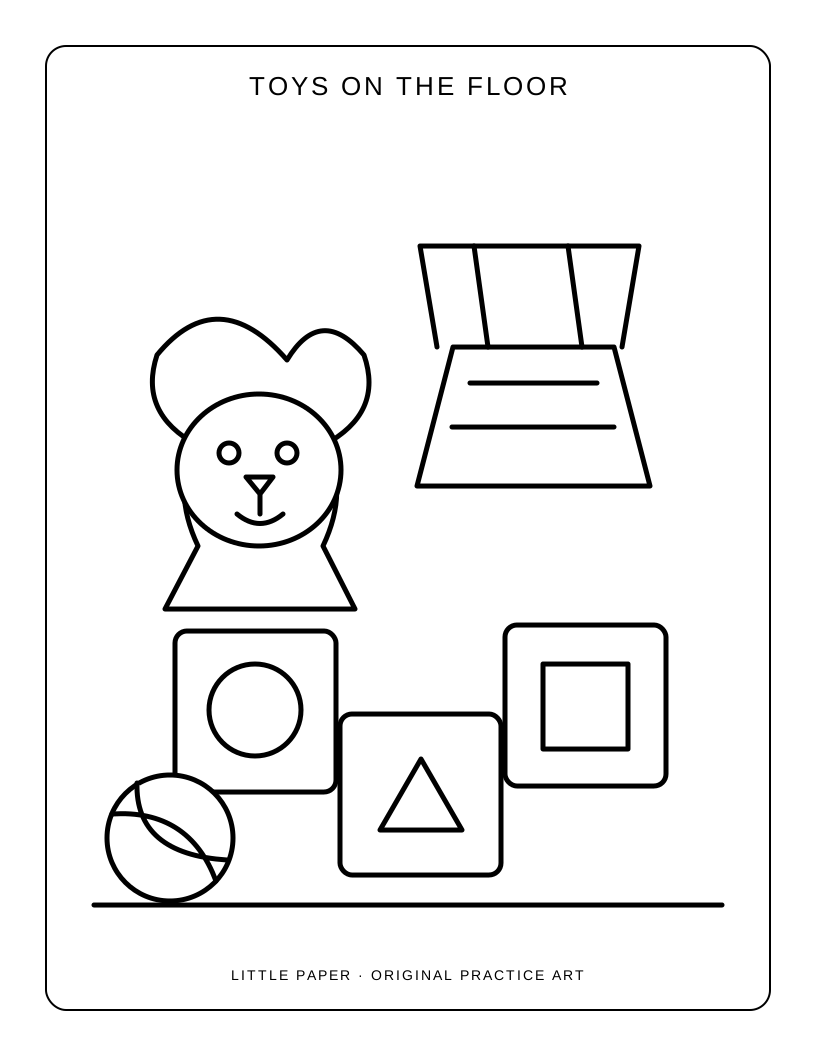
A practical checklist
Choices are saved in this browser. Reset them here or clear this site’s browser storage.
Questions that come up
Do I need different tools for every texture?
No. One suitable pencil or crayon can make several kinds of mark. Test what the actual material supports.
Is the page an ability test?
No. It is a creative activity with open colour choices. Any optional naming game should have a clear separate rule.
Are the toys branded characters?
No. The line art uses original generic shapes without logos or franchise affiliation.
References & scope
Background references checked on 18 October 2026. Worked examples and diagrams are original teaching material.